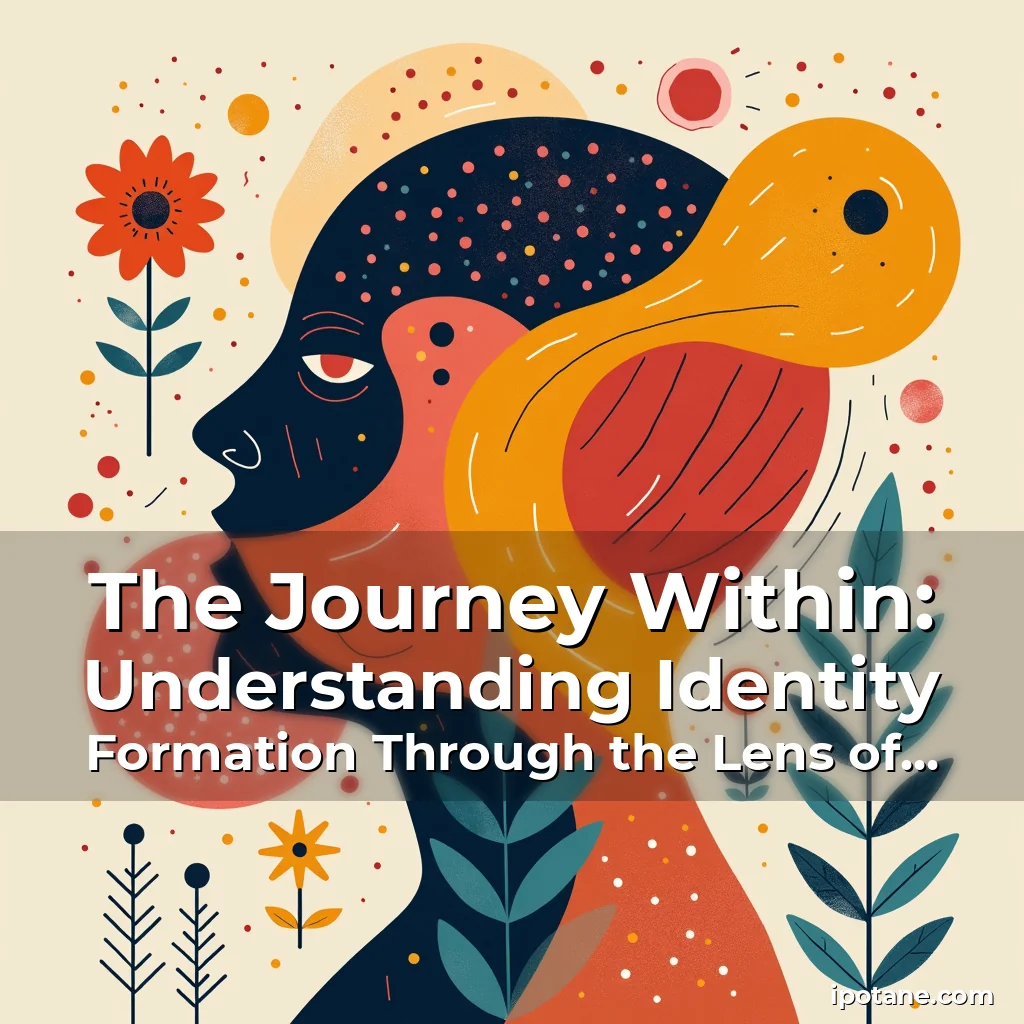
The Journey Within: Understanding Identity Formation Through the Lens of Ipotane
In an era where self-discovery is both celebrated and scrutinized, identity formation has become a complex tapestry woven from personal experiences, cultural influences, and societal expectations. The Ipotane community, known for its deep exploration of individuality and collective consciousness, offers a unique perspective on how we come to understand who we are.
This article delves into the multifaceted process of identity formation, examining its roots in psychology, sociology, and philosophy. By exploring these dimensions through the lens of the Ipotane ethos, we aim to provide insight that resonates with those seeking authenticity in their journey toward self-realization.
The Foundations of Self: Core Elements Influencing Identity
At the heart of identity lies a dynamic interplay between internal beliefs and external pressures. Our sense of self emerges from interactions within our immediate environment—family dynamics shape early perceptions of worthiness and belonging. These foundational relationships often set the stage for future social engagements and self-concept development.
Cultural norms also play a pivotal role; they dictate acceptable behaviors and values which can either reinforce or challenge emerging identities. For instance, collectivist cultures emphasize group harmony over individual expression, influencing how members navigate personal versus communal interests.
- Family Influence: Early familial bonds significantly impact emotional intelligence and moral frameworks. Secure attachments foster resilience against external judgment while insecure ones may lead to chronic insecurity.
- Societal Expectations: Norms surrounding gender roles, career paths, and lifestyle choices exert pressure on individuals to conform, potentially stifling authentic expressions of identity.
Navigating the Maze: Internal Conflicts During Identity Development
As individuals transition through life stages—from adolescence to adulthood—their identities undergo continuous evolution shaped by new challenges and revelations. This period is marked by introspection as people grapple with conflicting desires such as independence versus dependency or tradition versus innovation.
Dualities inherent in human nature create tension during identity consolidation. One might feel torn between pursuing artistic passions aligned with inner calling yet feeling compelled to adhere to conventional success metrics dictated by society at large.
The Psychological Toll of Uncertainty
Studies indicate that prolonged uncertainty regarding one’s identity correlates strongly with increased anxiety levels among adolescents. A longitudinal study published in ‘Developmental Psychology’ found participants experiencing high identity confusion reported elevated stress markers compared to peers exhibiting clear self-direction.
This psychological burden underscores why fostering environments conducive to safe experimentation becomes crucial. Educational institutions adopting inclusive curricula have shown improved outcomes in students navigating diverse aspects of their personalities without fear of marginalization.
Beyond Boundaries: Cultural Diversity’s Role In Shaping Identities
Cultures worldwide contribute distinct narratives shaping how individuals perceive themselves relative to others. Indigenous communities frequently highlight interconnectedness with nature as central tenet guiding personal ethics whereas Western societies often prioritize autonomy as core value underpinning individualism.
Migration further complicates identity landscapes when individuals must reconcile multiple affiliations simultaneously. Second-generation immigrants often experience dual loyalties—one towards ancestral heritage another towards adopted culture—necessitating nuanced strategies for maintaining coherence across disparate worlds.
Evolving Together: Social Movements And Collective Identity Shifts
Historically significant social movements catalyze shifts in collective identity paradigms by challenging entrenched power structures. Civil rights campaigns redefined notions around race equality while feminist waves transformed gendered expectations impacting professional opportunities available to women globally.
These transformations ripple outward affecting subsequent generations who inherit altered socio-political realities but still wrestle with personal interpretations thereof. Thus movement legacies persist even after initial objectives achieve fruition through ongoing dialogues concerning equity issues remaining relevant today.
Technology’s Double Edge Sword: How Digital Interactions Shape Modern Identities
With increasing digital immersion comes unprecedented capacity for self-expression via online personas. However this duality presents paradoxical effects wherein virtual representations sometimes diverge sharply from offline selves creating dissonance requiring reconciliation efforts.
Social media platforms facilitate global connectivity enabling exposure to myriad perspectives yet simultaneously encourage comparison culture detrimental to mental wellbeing particularly amongst youth demographics prone to benchmarking against curated images perpetuated by influencers.
Reclaiming Authenticity: Strategies For Healthy Identity Formation
Establishing healthy identity requires deliberate practices aimed at aligning internal convictions with outward manifestations. Mindfulness techniques aid conscious reflection allowing space for discernment amidst external noise clamoring attention continuously.
Engaging authentically within chosen communities reinforces groundedness. Participation in local groups centered around shared interests fosters meaningful connections reinforcing positive self-perceptions derived from genuine engagement rather than superficial validation mechanisms offered digitally.
Intergenerational Dialogues: Bridging Gaps Across Time
Interacting meaningfully across generational divides enriches understanding of evolving identity constructs. Older generations offer wisdom rooted in lived experience while younger cohorts introduce fresh viewpoints informed by contemporary contexts thereby facilitating mutual growth.
Such exchanges dismantle stereotypes perpetuated by age-related assumptions promoting empathy essential for cohesive multicultural societies striving towards inclusive futures honoring diversity without compromising unity aspirations.
Conclusion
Understanding identity formation involves recognizing its fluid nature influenced continually by various forces acting upon us daily. It demands vigilance against homogenizing trends threatening uniqueness cherished deeply within Ipotane circles emphasizing celebration rather than suppression of differences.
By embracing complexity inherent in self-exploration journeys undertaken collectively or individually, we empower ourselves to live fully integrated lives reflecting true essence cultivated through mindful navigation of ever-changing landscapes defining modern existence.
“`
The Journey Within: Understanding Identity Formation Through the Lens of Ipotane
In an era where self-discovery is both celebrated and scrutinized, identity formation has become a complex tapestry woven from personal experiences, cultural influences, and societal expectations. The Ipotane community, known for its deep exploration of individuality and collective consciousness, offers a unique perspective on how we come to understand who we are.
This article delves into the multifaceted process of identity formation, examining its roots in psychology, sociology, and philosophy. By exploring these dimensions through the lens of the Ipotane ethos, we aim to provide insight that resonates with those seeking authenticity in their journey toward self-realization.
The Foundations of Self: Core Elements Influencing Identity
At the heart of identity lies a dynamic interplay between internal beliefs and external pressures. Our sense of self emerges from interactions within our immediate environment—family dynamics shape early perceptions of worthiness and belonging. These foundational relationships often set the stage for future social engagements and self-concept development.
Cultural norms also play a pivotal role; they dictate acceptable behaviors and values which can either reinforce or challenge emerging identities. For instance, collectivist cultures emphasize group harmony over individual expression, influencing how members navigate personal versus communal interests.
- Family Influence: Early familial bonds significantly impact emotional intelligence and moral frameworks. Secure attachments foster resilience against external judgment while insecure ones may lead to chronic insecurity.
- Societal Expectations: Norms surrounding gender roles, career paths, and lifestyle choices exert pressure on individuals to conform, potentially stifling authentic expressions of identity.
Navigating the Maze: Internal Conflicts During Identity Development
As individuals transition through life stages—from adolescence to adulthood—their identities undergo continuous evolution shaped by new challenges and revelations. This period is marked by introspection as people grapple with conflicting desires such as independence versus dependency or tradition versus innovation.
Dualities inherent in human nature create tension during identity consolidation. One might feel torn between pursuing artistic passions aligned with inner calling yet feeling compelled to adhere to conventional success metrics dictated by society at large.
The Psychological Toll of Uncertainty
Studies indicate that prolonged uncertainty regarding one’s identity correlates strongly with increased anxiety levels among adolescents. A longitudinal study published in ‘Developmental Psychology’ found participants experiencing high identity confusion reported elevated stress markers compared to peers exhibiting clear self-direction.
This psychological burden underscores why fostering environments conducive to safe experimentation becomes crucial. Educational institutions adopting inclusive curricula have shown improved outcomes in students navigating diverse aspects of their personalities without fear of marginalization.
Beyond Boundaries: Cultural Diversity’s Role In Shaping Identities
Cultures worldwide contribute distinct narratives shaping how individuals perceive themselves relative to others. Indigenous communities frequently highlight interconnectedness with nature as central tenet guiding personal ethics whereas Western societies often prioritize autonomy as core value underpinning individualism.
Migration further complicates identity landscapes when individuals must reconcile multiple affiliations simultaneously. Second-generation immigrants often experience dual loyalties—one towards ancestral heritage another towards adopted culture—necessitating nuanced strategies for maintaining coherence across disparate worlds.
Evolving Together: Social Movements And Collective Identity Shifts
Historically significant social movements catalyze shifts in collective identity paradigms by challenging entrenched power structures. Civil rights campaigns redefined notions around race equality while feminist waves transformed gendered expectations impacting professional opportunities available to women globally.
These transformations ripple outward affecting subsequent generations who inherit altered socio-political realities but still wrestle with personal interpretations thereof. Thus movement legacies persist even after initial objectives achieve fruition through ongoing dialogues concerning equity issues remaining relevant today.
Technology’s Double Edge Sword: How Digital Interactions Shape Modern Identities
With increasing digital immersion comes unprecedented capacity for self-expression via online personas. However this duality presents paradoxical effects wherein virtual representations sometimes diverge sharply from offline selves creating dissonance requiring reconciliation efforts.
Social media platforms facilitate global connectivity enabling exposure to myriad perspectives yet simultaneously encourage comparison culture detrimental to mental wellbeing particularly amongst youth demographics prone to benchmarking against curated images perpetuated by influencers.
Reclaiming Authenticity: Strategies For Healthy Identity Formation
Establishing healthy identity requires deliberate practices aimed at aligning internal convictions with outward manifestations. Mindfulness techniques aid conscious reflection allowing space for discernment amidst external noise clamoring attention continuously.
Engaging authentically within chosen communities reinforces groundedness. Participation in local groups centered around shared interests fosters meaningful connections reinforcing positive self-perceptions derived from genuine engagement rather than superficial validation mechanisms offered digitally.
Intergenerational Dialogues: Bridging Gaps Across Time
Interacting meaningfully across generational divides enriches understanding of evolving identity constructs. Older generations offer wisdom rooted in lived experience while younger cohorts introduce fresh viewpoints informed by contemporary contexts thereby facilitating mutual growth.
Such exchanges dismantle stereotypes perpetuated by age-related assumptions promoting empathy essential for cohesive multicultural societies striving towards inclusive futures honoring diversity without compromising unity aspirations.
Conclusion
Understanding identity formation involves recognizing its fluid nature influenced continually by various forces acting upon us daily. It demands vigilance against homogenizing trends threatening uniqueness cherished deeply within Ipotane circles emphasizing celebration rather than suppression of differences.
By embracing complexity inherent in self-exploration journeys undertaken collectively or individually, we empower ourselves to live fully integrated lives reflecting true essence cultivated through mindful navigation of ever-changing landscapes defining modern existence.
“`

news is a contributor at ipotane. We are committed to providing well-researched, accurate, and valuable content to our readers.