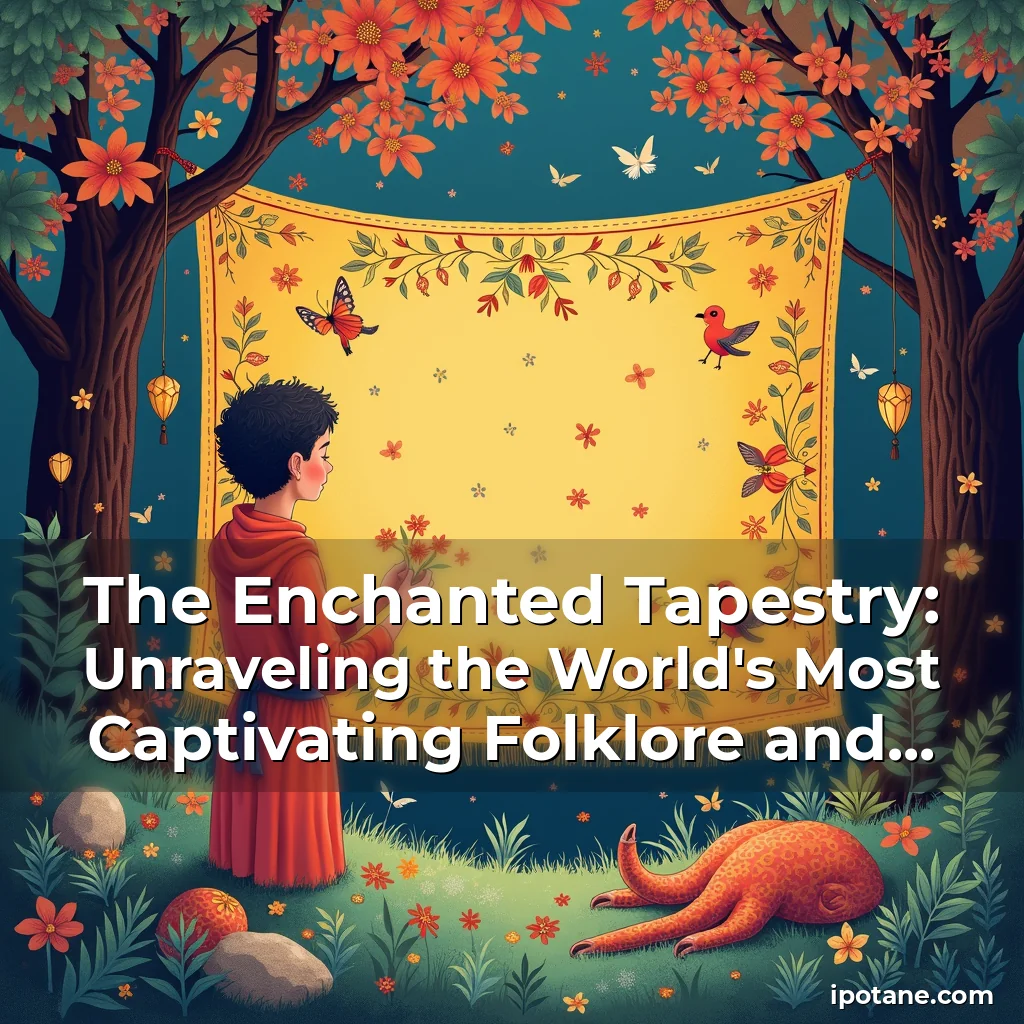
The Enchanted Tapestry: Unraveling the World’s Most Captivating Folklore and Legends
Folklore and legends are threads woven into the fabric of human culture, offering glimpses into our collective imagination and historical consciousness. These narratives transcend borders and eras, revealing universal truths through fantastical imagery and symbolic storytelling.
From whispered campfire tales to revered mythologies, folklore connects generations by preserving values, fears, and aspirations. They serve as both mirrors reflecting societal norms and windows opening onto the unknown.
The Origins and Evolution of Folklore
Folklore traces its roots back to prehistoric times when early humans gathered around fires to share stories that explained natural phenomena and guided survival strategies. These oral traditions were passed down through generations until written records began to document their existence.
Cultural exchanges between civilizations further enriched folklore collections, blending indigenous beliefs with foreign influences over centuries. As societies evolved, so did the complexity of these narratives, often incorporating philosophical questions or moral dilemmas.
- Oral Tradition: Before writing systems existed, storytellers used memory techniques to preserve knowledge accurately across vast distances and timeframes.
- Written Documentation: Ancient scribes recorded folklore in manuscripts which later became foundational texts for many modern literary genres.
Themes and Motifs Across Cultures
Folklore consistently features recurring themes that resonate deeply with audiences regardless of geographical location or era. Common motifs include transformation, justice, and the struggle between good and evil, all serving to reinforce social values within respective communities.
Moral ambiguity often characterizes legendary figures whose actions challenge conventional notions of right and wrong. Such characters encourage reflection on ethical choices rather than prescribing absolute answers.
Universal Archetypes in Storytelling
Ancient scholars identified archetypal roles present in countless folktales worldwide—the wise old mentor guiding heroes, the mischievous trickster challenging authority, or the tragic heroine embodying sacrifice for greater causes.
Psychologists suggest these enduring patterns tap into fundamental human instincts related to survival, reproduction, and group cohesion. Their persistence suggests deep-seated psychological needs fulfilled by narrative structures.
Modern Relevance of Folklore Today
In an age dominated by technological advancement, folklore continues to influence contemporary art forms ranging from cinema to video games. Modern creators frequently reinterpret classic myths to comment on current issues facing society.
Educators increasingly recognize the pedagogical value of folklore in teaching language skills, historical context, and cross-cultural understanding. Schools now incorporate multicultural curricula emphasizing diverse storytelling traditions.
Folklore in Education and Preservation
Digital platforms have become invaluable tools for documenting endangered folklore traditions threatened by globalization and shifting cultural priorities. Initiatives like audio recordings and interactive databases aim to safeguard these intangible heritages for future generations.
Community-based projects empower elders and native speakers to recount ancestral tales digitally, ensuring authenticity while making these resources accessible globally via online repositories and virtual museums.
Statistical Insights Into Cultural Transmission
Studies show that approximately 80% of global populations maintain some form of active folklore transmission despite rapid urbanization trends. However, only about 30% of documented myths originate from non-European sources according to UNESCO reports.
This disparity highlights urgent conservation efforts required to prevent irreversible loss of indigenous knowledge systems embedded within folklore narratives. Collaborative research between anthropologists and technologists offers promising solutions toward equitable representation.
Regional Variations and Unique Cultural Expressions
Geographical isolation contributed significantly to the development of region-specific folklore traditions shaped by local environments and lifestyles. Mountainous areas produced tales featuring mountain spirits while coastal communities developed sea-related myths centered on navigation challenges.
Seasonal festivals continue to celebrate folklore through performances reenacting legendary events. These rituals not only entertain but also reinforce communal bonds by reaffirming shared histories during annual gatherings.
Legends Shaping National Identity
National epics such as Homer’s *Odyssey* or India’s *Mahabharata* played pivotal roles in defining national identities through heroic journeys representing ideals cherished by respective cultures. These narratives fostered unity among disparate groups united by common heritage.
Contemporary nations strategically revive ancient legends to promote patriotism and cultural pride, especially during moments requiring national solidarity following crises or conflicts.
Lesser-Known Yet Fascinating Tales Around the Globe
Beyond widely recognized Greek mythology lies an equally rich tapestry of less familiar yet compelling folklore. Stories from Oceania feature mythical creatures like the Māori *Taniwha*, guardian spirits believed to protect waterways from harm.
African folklore boasts intricate animal fables illustrating wisdom through anthropomorphic characters, while Slavic traditions include tales of forest-dwelling *Leshy*, nature spirits known for testing intruders’ intentions before granting passage.
The Role of Folklore in Personal Development
Growing up immersed in folklore instills resilience and creativity by exposing individuals to scenarios demanding problem-solving ingenuity. Characters overcoming adversity offer models for navigating life’s complexities effectively.
Parents utilize folklore as educational tools conveying lessons about honesty, bravery, or humility indirectly rather than through direct instruction methods. This approach fosters intrinsic motivation towards learning.
Preserving Oral Traditions in Digital Age
Tribal elders face diminishing audiences due to migration patterns altering intergenerational communication dynamics. Innovative approaches combining traditional storytelling with multimedia formats help bridge generational gaps created by technological advancements.
Interactive apps allow users to experience immersive versions of folklore through augmented reality features overlaying virtual elements onto real-world settings during storytime sessions, enhancing engagement levels significantly compared to passive listening modes.
Conclusion
Folklore remains a vibrant testament to humanity’s creative spirit, adapting continuously while retaining core thematic essences across millennia. Its power lies not merely in entertainment but in fostering empathy, preserving history, and inspiring innovation.
To truly appreciate folklore, seek out local traditions within your own community or explore international collections available through reputable institutions dedicated to cultural preservation. Share what you discover to contribute meaningfully to ongoing dialogues surrounding global heritage.

news is a contributor at ipotane. We are committed to providing well-researched, accurate, and valuable content to our readers.